Common Downsizing Mistake: Assuming If It Fits, It Works
“It fits” sounds like a useful test when you’re downsizing. The problem is that it can mean several different things: the sofa fits through the front door, the rentdeals.com dining table fits inside the apartment, or the bed fits in the bedroom. None of those guarantees that the room will feel comfortable or that you can move through it easily.
After more than 10 years helping renters and people relocating around Houston, I’ve seen downsizing moves get complicated because one important step was skipped: measuring. A piece of furniture may technically fit and still block doors, interrupts walkways, or blocks natural light. And if the item can’t make it through the building’s route to your apartment, its dimensions inside the room won’t matter much.
Before you decide what furniture to bring, measure the apartment, the items, and the entire route in. Then make a deliberate keep, store, sell, donate, or replace decision. A smaller home calls for more than fewer belongings—it calls for belongings that work together.
“It Fits” Is Not the Same as “It Works”
In a larger home, an oversized chair or an extra side table can often fade into the background. In a compact apartment, every item takes up a noticeable share of the room. Furniture can technically fit and still make a space feel crowded, make everyday tasks harder, or prevent the room from being used the way you planned.
Think beyond whether you can place an item in a room. Ask whether you can:
- Open doors, drawers, closets, and appliances fully.
- Walk through the room without turning sideways or squeezing past furniture.
- Reach windows and use the natural light.
- Make the bed, sit comfortably, and move around the dining table.
- Get the item through the building and into the apartment without damaging it or the property.
If the answer to any of those questions is no, the item may not work—even if it fits on a floor plan.
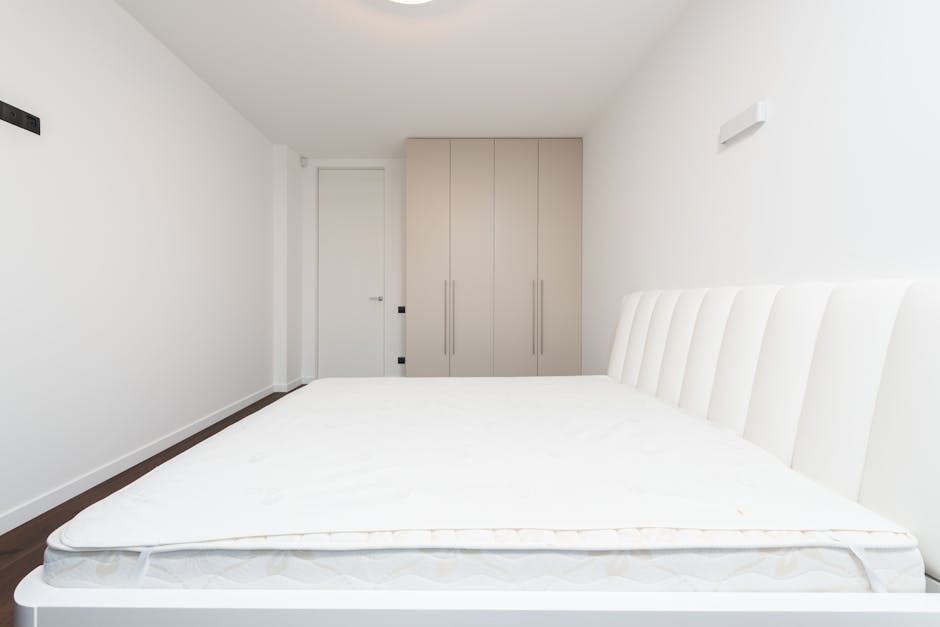
Measure the Apartment Before You Decide What to Move
Start with the new apartment, not your current furniture. A floor plan is useful, but it may not show every detail that affects furniture placement. Measure the rooms yourself when possible, and note features that take up space or affect access.
What to measure inside the apartment
- Room dimensions: Measure each wall, not just the room’s longest and widest points.
- Doors and openings: Record the width and height of doorways, and note which way each door swings.
- Windows: Note their width, height, sill position, and the amount of wall space around them.
- Closets and built-ins: Measure the doors and account for how far they open.
- Fixed features: Mark outlets, vents, radiators, kitchen counters, and any wall bump-outs that affect placement.
Pay particular attention to the space needed for normal movement. A bed might fit in a bedroom, but leave so little room that you can’t open the closet. A dining table might sit in the room, but prevent a chair from sliding out. These are functional problems, not decorating details.
Measure the Doorway Before You Talk About the Sofa
My rule is simple: doorway width before talking about sofas. Measure the item first, then measure every part of the route it needs to travel. I keep a tape measure in the car because the doorway, elevator, or hallway is often the detail that turns a straightforward move into a frustrating one.
Check the route from the outside entrance to the apartment, including:
- The building entrance and any interior doors.
- Hallway widths and tight turns.
- Elevator doors and the elevator’s interior dimensions.
- Stairwell width, landings, and ceiling clearance if stairs are involved.
- The apartment’s entry door and any narrow interior passageways.
For furniture, write down the width, height, and depth. For irregular pieces, check whether the legs, arms, shelves, or other parts can be removed. A sofa’s overall dimensions don’t tell the whole story: its shape and the angle needed to turn it may determine whether it can pass through a doorway.
Ask the building about move-in rules, too. Some properties require elevator reservations, protective padding, certificates of insurance, or moves during specific hours. In Houston, it’s also worth planning for heat, rain, and the time it takes to load or unload. Access checks help you avoid discovering a restriction when the truck is already waiting.
Make a Keep, Store, Sell, Donate, or Replace Plan
Once you know what the apartment can accommodate, sort furniture by how well it serves the new home—not just by how long you’ve owned it. “We already have it” is not a strong reason to move a bulky item that makes the apartment harder to use.
Decision Choose it when Ask yourself Keep The item fits the room, the route, and your daily needs. Will I use it regularly, and does it leave enough room to move? Store You expect to need it later and have a realistic plan for storage. Is storage cost and access worth keeping this item? Sell The item is in good condition but is too large or unnecessary for the new place. Can I sell it before move day without creating extra stress? Donate The item is usable, but selling it is not worth the time or effort. Can a local organization accept it, and can I arrange pickup? Replace A better-sized or more functional piece will suit the apartment. Can I wait until after move-in to confirm what the room needs?Storage deserves special scrutiny. Paying month after month to hold furniture that may never fit your next home can be more expensive than letting it go and buying something suitable later. Compare the storage cost with the item’s value, condition, and likely future use.
Replacement doesn’t mean you need to shop before moving. In fact, buying new furniture before you understand the space can repeat the same mistake with a different item. Bring the essentials, get settled, and take fresh measurements before ordering anything bulky.
Scale and Visual Weight Matter in Small Rooms
Furniture affects a room in two ways: how much floor space it occupies and how large it looks. That second effect is often called visual weight. A dark, tall cabinet may feel more imposing than a lower, lighter piece with similar measurements. A bulky sofa with thick arms can dominate a small living room even when it technically fits.
When comparing items, consider:
- Height: Tall furniture can make a room feel more crowded, especially if it covers much of a wall.
- Depth: Deep sofas and chairs may take more usable space than their width suggests.
- Legs and open space: Furniture raised off the floor can feel less heavy than a solid block that sits directly on it.
- Color and finish: Dark, high-contrast pieces often draw more attention than lighter or visually simpler ones.
- Shape: Rounded edges may make a tight path easier to navigate than sharp corners.
This doesn’t mean every small apartment needs tiny furniture. An undersized sofa can be uncomfortable, and too many small pieces can create clutter. The goal is proportion: choose a few pieces that suit the room and leave enough open space around them.

Protect Walkways, Doors, and Daylight
Before moving day, sketch a simple layout. Mark doors, windows, and the main routes you use to cross each room. Then place furniture on the sketch before placing it in the apartment.
Check whether your layout:
- Leaves doors and closet openings clear.
- Preserves a comfortable path between the entry, kitchen, seating, and bedroom.
- Allows you to reach windows and lets daylight travel into the room.
- Leaves enough room to pull out chairs and open drawers.
- Keeps frequently used items within easy reach.
A large bookcase placed beside a window might fit neatly against the wall, but if it blocks natural light, the room can feel darker and more enclosed. A chair positioned in a narrow passage may be comfortable on its own, yet interrupt the path between the kitchen and living area. Small compromises add up quickly when space is limited.
A Practical Pre-Move Measuring Checklist
- Measure the apartment. Record room dimensions, doorways, closets, windows, and fixed features.
- Measure the building route. Include the entrance, hallways, elevator, stairs, and turns.
- Measure each large item. Write down width, height, depth, and any parts that can be removed.
- Sketch a layout. Include door swings, windows, and everyday walking paths.
- Make a decision for every item. Keep, store, sell, donate, or replace.
- Delay nonessential purchases. Move in, see how the rooms function, and then buy only what solves a real need.
- Confirm building requirements. Reserve the elevator or loading area and ask about move-in hours and other rules.
The Better Question to Ask
Instead of asking, “Can I make this fit?” ask, “Will this make the apartment easier and more pleasant to live in?” That shift helps separate useful furniture from furniture you’re moving simply because you own it.
Measure first, make a realistic access plan, and choose what earns its place in the new home. A well-planned downsizing move is not about squeezing every possession into fewer rooms. It’s about keeping the pieces that support your day-to-day life—and letting go of the ones that block doors, interrupt walkways, or block natural light.