Do Modular Sleep Units Ship as Duplexes or Fourplexes? Exploring Modern Workforce Housing Solutions
In the growing landscape of workforce housing, modular construction has emerged as a key method to address housing shortages efficiently and cost-effectively. Among the various modular configurations, duplex modular units and fourplex modular units have gained significant attention due to their adaptability, streamlined permitting workflows, and potential to compress project schedules.
This article explores whether modular sleep units ship as duplexes or fourplexes, the distinctions between manufactured and modular housing, permitting considerations, and how leading companies like Irontown Modular, The Other Side Village, and My Cozy Outdoors innovate in this space with stackable modules to meet recruitment constraints and housing demands.
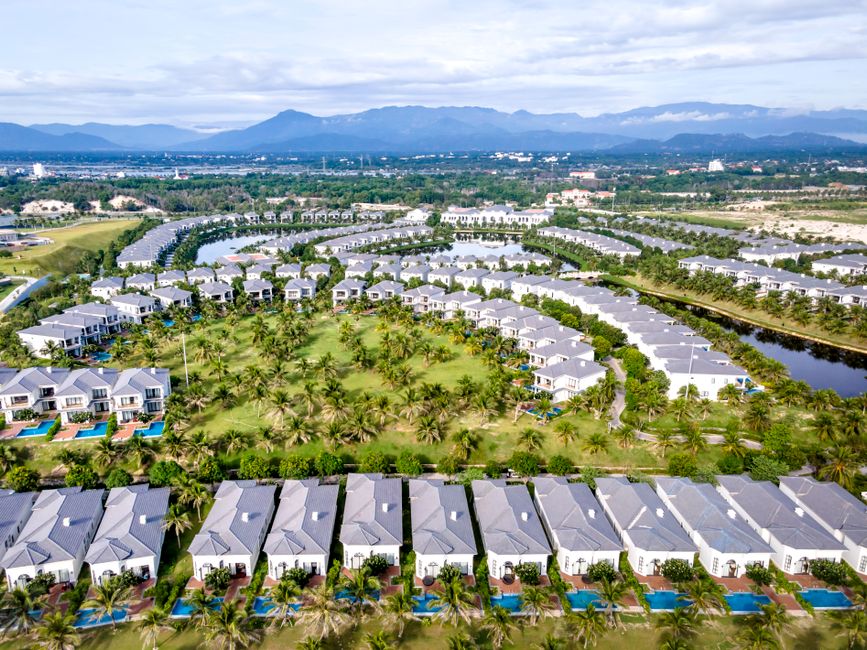
Workforce Housing as a Recruiting Constraint
Across the US West and many other regions, workforce housing scarcity has become a critical bottleneck in recruiting and retaining skilled labor. Builders, educational institutions, and public agencies struggle to provide affordable, accessible housing close to job sites or campuses.
Modular construction offers a scalable solution that can be tailored to meet shifting workforce needs:

- Rapid deployment: Modular units arrive onsite ready-to-assemble, reducing time-to-occupancy compared to traditional construction.
- Flexibility in design: From single-room units to duplex modular units and fourplex modular units, developers can optimize unit density based on site constraints and population needs.
- Improved quality and consistency: Factory-controlled environments minimize defects and promote compliance with building codes.
However, employers or project owners often ask: do these modular sleep units ship as duplexes or fourplexes? Understanding this helps in planning site layout, infrastructure, and permitting.
Manufactured vs Modular: Definitions and Building Codes
One foundational hurdle is differentiating emergency housing modular duplex manufactured housing from modular housing since they are regulated under different codes and have distinctive shipping and construction methods.
Aspect Manufactured Housing Modular Housing Regulatory Code HUD Code (Federal Manufactured Home Construction and Safety Standards) Local/State Building Codes (e.g., IBC, IRC) Construction Built entirely in factory on steel chassis Factory-built modules transported and assembled on permanent foundations Foundation Usually permanent or temporary, can be relocated Permanent foundations matching local building codes Permitting HUD preemption; limited local permitting Full local permitting and inspectionsFor workforce housing, modular units are preferred for permanent housing solutions, integrating nicely with campus or community layouts and adhering to traditional building codes. Thus, companies like Irontown Modular and My Cozy Outdoors primarily manufacture modular duplex and fourplex units rather than manufactured homes.
Do Modular Sleep Units Ship as Duplex or Fourplex Units?
The configuration of modular sleep units depends largely on client needs and project design. Generally, modular units can ship as single modules—single-room units—or as combined duplex modular units or fourplex modular units, which are multi-unit stacks or side-by-side assemblies.
Key points regarding shipment:
- Duplex Modular Units: Typically, two side-by-side modules or two stacked units are transported separately and assembled onsite. Duplexes balance privacy and density, perfect for small workforce clusters.
- Fourplex Modular Units: Four units configured either horizontally or stacked vertically. Due to size, these may ship as multiple individual modules that are then affixed together.
- Stackable Modules: Modular units engineered for stacking help optimize limited footprint areas and achieve higher density without compromising code compliance.
In practice, few manufacturers ship large multi-unit modular complexes as one complete piece due to transport limitations and highway restrictions. Instead, modular units are engineered for efficient transport and fast onsite assembly.
Case Examples:
manufactured vs modular build quality- Irontown Modular specializes in duplex modular units delivering rapid workforce housing with well-planned plumbing and electrical rough-ins for seamless onsite hookups.
- The Other Side Village develops larger fourplex modular units designed to maximize community cohesion while preserving individual privacy within stackable modules.
- My Cozy Outdoors offers modular units designed with outdoor lifestyle in mind, utilizing both duplex and fourplex configurations for flexible application across rural or urban workforce housing projects.
Permitting Workflow and Inspections for Modular Projects
Modular construction projects, including duplex modular units and fourplex modular units, require careful navigation of permitting workflows and detailed inspections to meet local jurisdictions’ building codes and safety standards.
Steps in Permitting Workflow for Modular Sleep Units
- Pre-Application Coordination: Engage with city or county building departments early to understand modular construction requirements.
- Design Review and Engineering Approvals: Submit engineered drawings that detail module dimensions, connections, and integration of mechanical/electrical/plumbing.
- Factory Inspection and Certification: Modular factories must comply with quality controls and conduct third-party inspections before modules leave the factory.
- Permits Issued: Receive building permits specific to partial or full modular builds onsite.
- Onsite Inspections: Inspect pre-foundation, foundation, and framing, and importantly, the module connections and utilities integration.
- Occupancy Certification: Once all inspections are passed, occupancy permits allow the units to be inhabited.
Working with experienced modular providers like Irontown Modular or The Other Side Village streamlines this permitting journey as they often provide engineering documentation and support aligning with local codes upfront.
Schedule Compression Through Parallel Factory and Site Work
One of the biggest advantages of modular duplex and fourplex units lies in the ability to compress construction schedules through parallel workflows:
- Factory Production: While site civil work and foundations progress, modular units are simultaneously built in factory-controlled environments unaffected by weather delays.
- Site Preparation: Excavation, utility rough-ins, and foundation works proceed independently from and in parallel with module fabrication.
- Just-in-Time Delivery: Completed modules arrive onsite ready for assembly, drastically reducing the standard framing and interior finishing timeline.
- Integrated Quality Control: Factory construction results in higher quality and fewer defects, limiting costly onsite corrections that delay occupancy.
The Other Side Village exemplifies this approach by coordinating the transport of stackable modules for efficient vertical assembly on campus sites. My Cozy Outdoors leverages similar scheduling strategies, especially when deploying multi-unit configurations in remote or underserved locations.
Conclusion: Which Modular Sleep Units are Right for Your Project?
To answer the core question: modular sleep units do not generally ship as ready-made duplexes or fourplexes in a single piece but are typically manufactured as individual stackable modules designed to be combined onsite. This modular approach balances transportability, maximizes site density, and meets permitting requirements efficiently.
For workforce housing applications addressing recruiting constraints, duplex modular units offer a moderate-density solution fostering privacy and community. Fourplex modular units and stackable module designs maximize footprint efficiency for larger-scale developments requiring higher density clustering.
Companies like Irontown Modular, The Other Side Village, and My Cozy Outdoors are driving innovation in modular workforce housing by blending factory precision with flexible design configurations and keen understanding of permitting workflows and schedule compression techniques.
Whether your project requires a simple duplex modular layout or a robust fourplex modular plan, leveraging modular construction’s benefits will accelerate your delivery timelines and improve workforce housing outcomes.