Knowle vs Dorridge: Does the Ceiling Price Change What Extension Makes Sense?
When it comes to home improvement decisions in the Solihull borough, the perennial debate boils down to this: should I extend or should I move? Two of the most sought-after localities — Knowle and Dorridge — display some intriguing disparities in property prices, which solihullobserver.co can dramatically shift the calculus. Is the “Knowle ceiling generous” enough to justify a grand two-storey extension? Do the Dorridge comparable sales suggest that staying put and extending yields better value? This deep dive will unpack the street by street pricing nuances, examine extension costs vs moving expenses, and reveal how ceiling prices shape the sensible path forward.
Understanding the Solihull Price Gap: What the Data Says
The Office for National Statistics (ONS) May 2026 release of local house price breakdowns confirms what seasoned agents have long suspected — Dorridge consistently commands a premium over Knowle. While prices in Knowle hover around £400,000 for a decent family home, Dorridge averages closer to £550,000 on similar street types. The premium isn’t just a fraction; it’s north of 30%.
This price gap strongly influences the “extend-not-move” decisions for many homeowners. The ceiling price — that initial valuation limit you can anticipate before resale — is more “generous” in Knowle, meaning owners have some room to increase space and value through extensions without chasing massive Purchase prices on their next move.
Street by Street Pricing Insights
Area (Postcode) Average House Price (2026 ONS Data) Typical Detached House Price Semi-Detached House Price Knowle (B93 0xx) £410,000 £520,000 £310,000 Dorridge (B93 8xx) £550,000 £700,000 £390,000These figures are a starting point, but local nuances like proximity to station, school catchments, and conservation area restrictions also play huge roles. For instance, Dorridge streets closer to the station or parade command higher premiums.
Extension Costs By Size and Type: Single-Storey vs Two-Storey
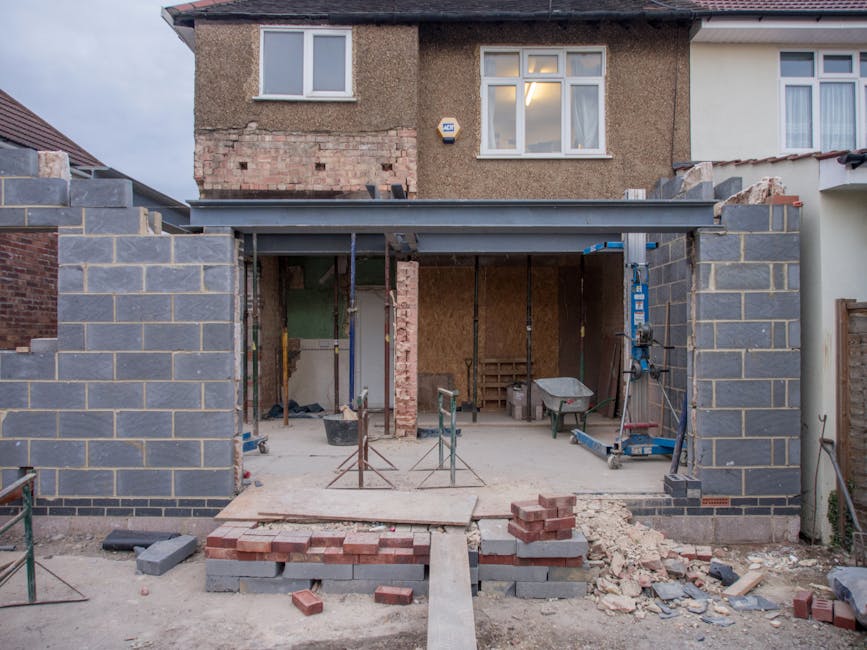
Next up is the question: what does it cost to extend in either village, and how much additional value does each extension type generate within these “ceilings”? Using aggregated quotes from Checkatrade and MyJobQuote, combined with past tendering experience, here’s a sanity-checked summary of typical project costs.
Extension Type Average Size (m²) Cost per m² (inclusive of VAT)* Total Estimated Cost Notes Single-Storey Rear Extension 20 - 30 m² £2,200 £44,000 - £66,000 Includes insulation, glazing, kitchen/bathroom fit out Two-Storey Side/Rear Extension 40 - 50 m² £2,800 £112,000 - £140,000 Structural works, staircase, new utilities*Costs explicitly include VAT (20%). Any quote lacking VAT clarity should be treated cautiously.
Those numbers might sound pricey, but remember — the extra space effectively increases your home’s liveable area, meaning the Knowle ceiling generous nature can absorb this investment better, pushing resale values into more comfortable margins. In contrast, the already higher baseline in Dorridge means extensions must be carefully calibrated not to exceed the resale ceiling and leave you with an “overcapitalised” property.
Planning Permissions and Checks
You can’t just start knocking walls down without checking first. For both Knowle and Dorridge (which partially overlap with conservation areas), pre-application advice is invaluable. Solihull Council’s pre-application enquiry service provides tailored feedback on likely planning outcomes, helping you avoid costly pitfalls.
- Permitted Development Rights: Often you can build extensions without full planning permission, but size, height, and proximity limits are strict. Check the council’s latest guidance.
- Planning Application: For two-storey extensions, especially those visible from the street, you’ll likely need full planning permission. This can take 8-12 weeks for approval and consultation.
Moving Costs: The Expenses that Add No Space
Often overlooked in the debate of “extend or move” are the hidden costs of moving, which come with no apparent increase in space or quality of life. If you decide to move within Knowle or Dorridge, you pay Stamp Duty Land Tax (SDLT), solicitor’s fees, mortgage arrangement fees, removal costs, and potential capital gains tax liabilities.
Cost Type Approximate Range Notes Stamp Duty Land Tax £7,500 - £27,500 Based on property price tier, e.g., £375k to £550k range Solicitor's Fees £1,000 - £2,000 Including searches and conveyancing Surveyor Fees £400 - £1,000 Depending on survey depth Removal Services £500 - £1,500 Varies by volume and distance Mortgage Arrangement Fees £0 - £2,000 Subject to lender offersAll these add up to a non-negligible amount—often 5-7% of your home’s value—that essentially buys nothing but relocation. So whether you’re in Knowle or Dorridge, moving involves a significant financial hit compared to extending the existing home.
Knowle Ceiling Generous vs Dorridge Comparable Sales: What Does It Mean for You?
Here’s the crux for homeowners weighing options:

- In Knowle: The modest baseline prices mean your home’s value can increase more confidently after an extension without worry of hitting a hard resale ceiling. The “ceiling generous” effect means even a two-storey extension can pay dividends by adding liveable space and modernising your home—driving resale values up accordingly.
- In Dorridge: Comparable sales are already close to maximum values achievable for house types, especially in sought-after streets. Overextending risks overcapitalisation, where the cost of the work outpaces any price premium the market will pay. Deciding on a single-storey or smaller extension is often wiser here—your planning strategy must carefully factor in conservation constraints and resale ceilings.
Put simply, the street by street pricing difference means:
- Knowle owners have more room to “add value” via sizeable extensions
- Dorridge owners benefit from the strong market but need a cautious extension approach to avoid negative equity on improvements
What People Forget to Budget For
No blog on extensions would be complete without this sanity check. Many homeowners underestimate hidden costs which can turn a seemingly straightforward extension budget upside down.
- Project Contingency: Always budget at least 10-15% extra for unforeseen issues such as structural surprises, water ingress, or specialist insulation needs.
- Planning and Legal Fees: Aside from construction, account for planning application costs (approx. £200-£500), building control fees, and potential party wall agreements if neighbours are impacted.
- Internal Fixtures and Finishings: Kitchens, bathrooms, flooring, lighting can add hefty sums once installed.
- Landscaping and External Works: Patios, fencing, drainage improvements often get forgotten.
- Loss of Living Space During Build: Temporary loss of gardens or quiet spaces may nudge up day-to-day living costs or need alternative arrangements.
Final Considerations
If you’re planning your next move or extension in Knowle or Dorridge, start with the local data. Use Solihull Council’s pre-application enquiry service to assess planning risks, then get tiered quotes from platforms like Checkatrade and MyJobQuote to build a realistic budget including contingency.
Remember, the choice between extending and moving is rarely simple, but focusing on local pricing ceilings, the strong price gap between Knowle and Dorridge, and the true costs beyond bricks and mortar will ensure your decision is informed and financially sound.